
Do You Need a Fideicomiso (Bank Trust) to Buy in San Miguel?
6 min read
Here’s the short answer: No. In San Miguel de Allende, you certainly don’t.
Now here’s the longer answer:

What a fideicomiso actually is
A fideicomiso is a bank trust. It’s a legal structure that allows foreigners to own property in certain parts of Mexico, specifically, in the country’s “restricted zone.” Under the Mexican Constitution, foreigners can’t directly hold title to land within 50 kilometers of the coast or 100 kilometers of an international border.
That’s a big chunk of the country. It’s Cancún. It’s Tulum. It’s Puerto Vallarta. It’s Los Cabos. It’s basically every place you’ve heard about as an expat destination.
In those places, you don’t own the land yourself. Instead, a Mexican bank holds the title in a trust and you are the beneficiary. You have full rights: you can live in the property, rent it, sell it, pass it to your children. But technically, the land is in the bank’s name.
The trust is renewable every 50 years. It works. Millions of foreigners own coastal property this way with no issues. But it’s an extra layer: extra fees, extra paperwork, extra middlemen.
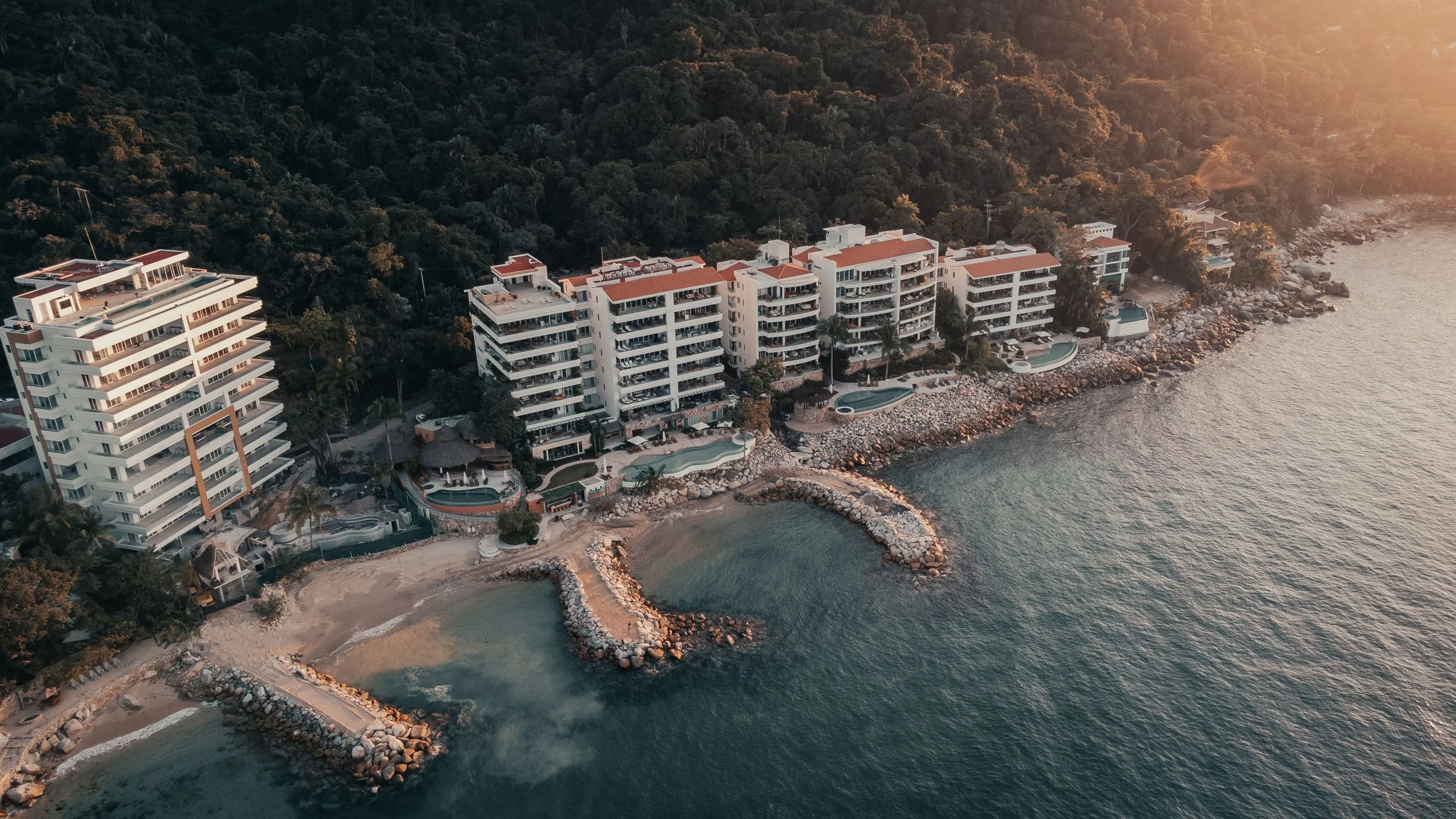
Puerto Vallarta, México- Zona Restringida
Why the myth exists
Because Cancún, Playa, Cabo, and Vallarta are where so many foreigners buy in Mexico. That’s where so many vacation homes are. That’s where the real estate advertising is. That’s where many of the online guides focus.
So every article, every TikTok, every Instagram post about “buying in Mexico as a foreigner” tells you about the fideicomiso — because that’s what applies to those markets. The problem is, most of those posts don’t specify where. They just say “in Mexico, foreigners need a fideicomiso.” And that’s how the myth spreads.
Why San Miguel de Allende is different
San Miguel is in the state of Guanajuato, in central Mexico’s highlands, hundreds of kilometers from any coast, and hundreds from the U.S. border. We are not in the restricted zone. Not even close.
That means foreigners can buy property here directly, by full legal title, exactly the way a Mexican citizen would. Your name goes on the deed. You own the land itself, not a beneficial interest in a trust.
What you use instead
The instrument is called escritura pública, a public deed drafted and certified by a Mexican notario (a specialized legal professional whose role is broader than a U.S. notary). The notario runs title searches, verifies there are no liens, drafts the deed, and registers it in the public property registry.
You get: legal title, in your name, registered with the state. Same as a Mexican citizen. Same protection. Same rights.
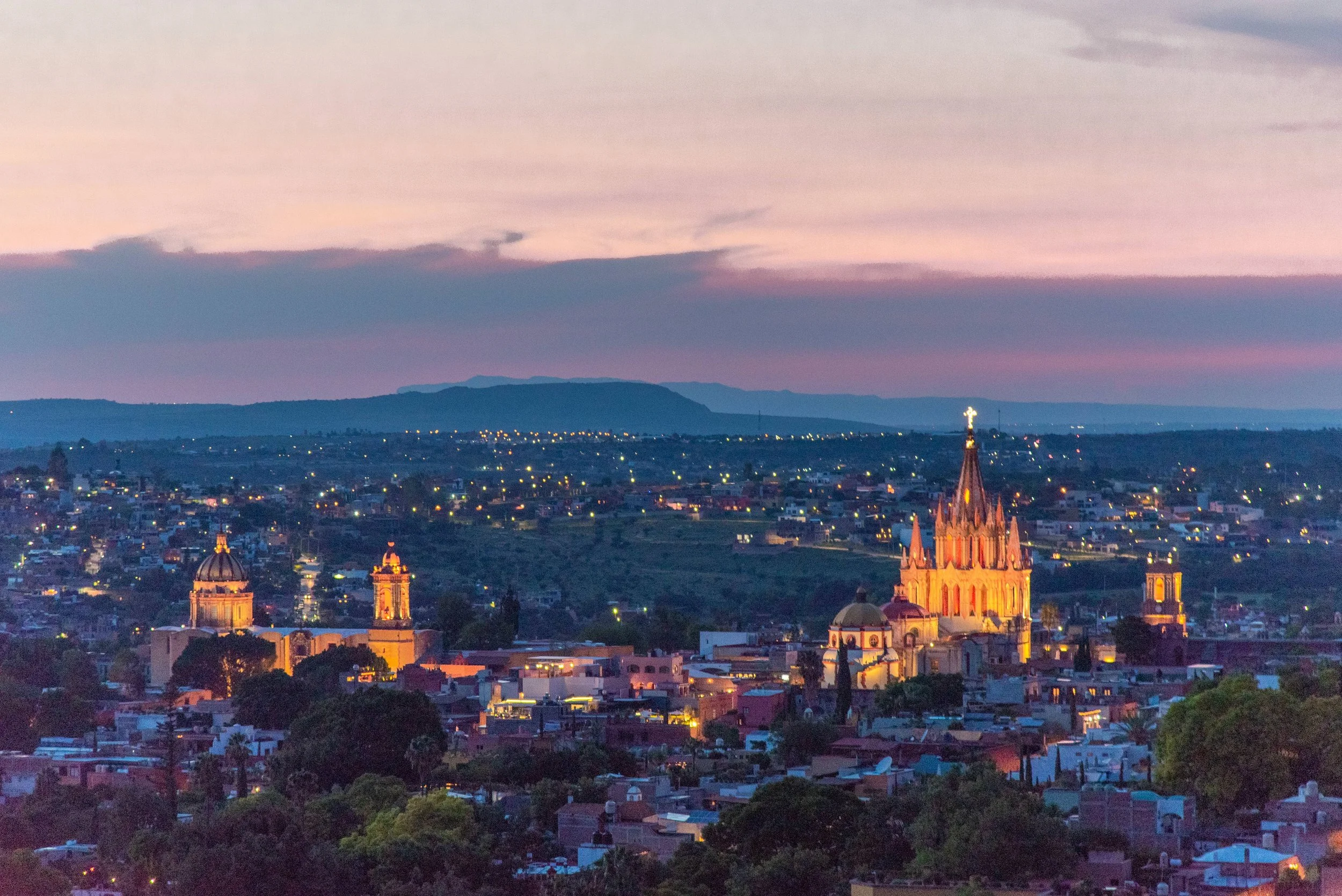
View from luxury home in Prolongación La Quinta
The practical implications
For you as a buyer, this means:
No annual bank trust fee. Fideicomisos typically cost $500–$700 USD per year to maintain. In SMA, that’s zero.
No 50-year renewal. Your ownership doesn’t expire.
Fewer intermediaries. Fewer places for something to go wrong.
Simpler estate planning. Passing the property to your heirs is straightforward.
You’ll still pay closing costs: transfer tax (called ISABI, around 2% here), notario fees, appraisal, and registration. Those add up to roughly 5–5.5% of the purchase price, depending on the property and your notario. But the fideicomiso overhead? Not part of your world.
One clarification I always add
If you’re specifically buying in a coastal state like Nayarit or Quintana Roo or a border state like Sonora, the fideicomiso applies again. Mexico’s constitution doesn’t care that you already own a house in San Miguel. Each property is evaluated on its own location.
But for anything in San Miguel de Allende? You’re in the clear.
The bottom line
If someone tells you “you need a fideicomiso to buy in San Miguel,” they’re either working with outdated information or confusing the SMA market with the coastal one. It’s not their fault, the online noise is loud. But now you know.
If you’re considering buying here, the process is simpler than you probably think. That doesn’t mean you shouldn’t have a good notario, a good agent, and someone who reads Spanish contracts. You should. But the paperwork itself? Yours to keep.
If you have questions about the process, for a specific property, or for your specific situation, you know where to find me!
— Carolina Echeverría
P.S. If you want to go deeper on the actual closing process (costs, timeline, what happens on the day) that’s coming next in the Buying in Mexico series.
